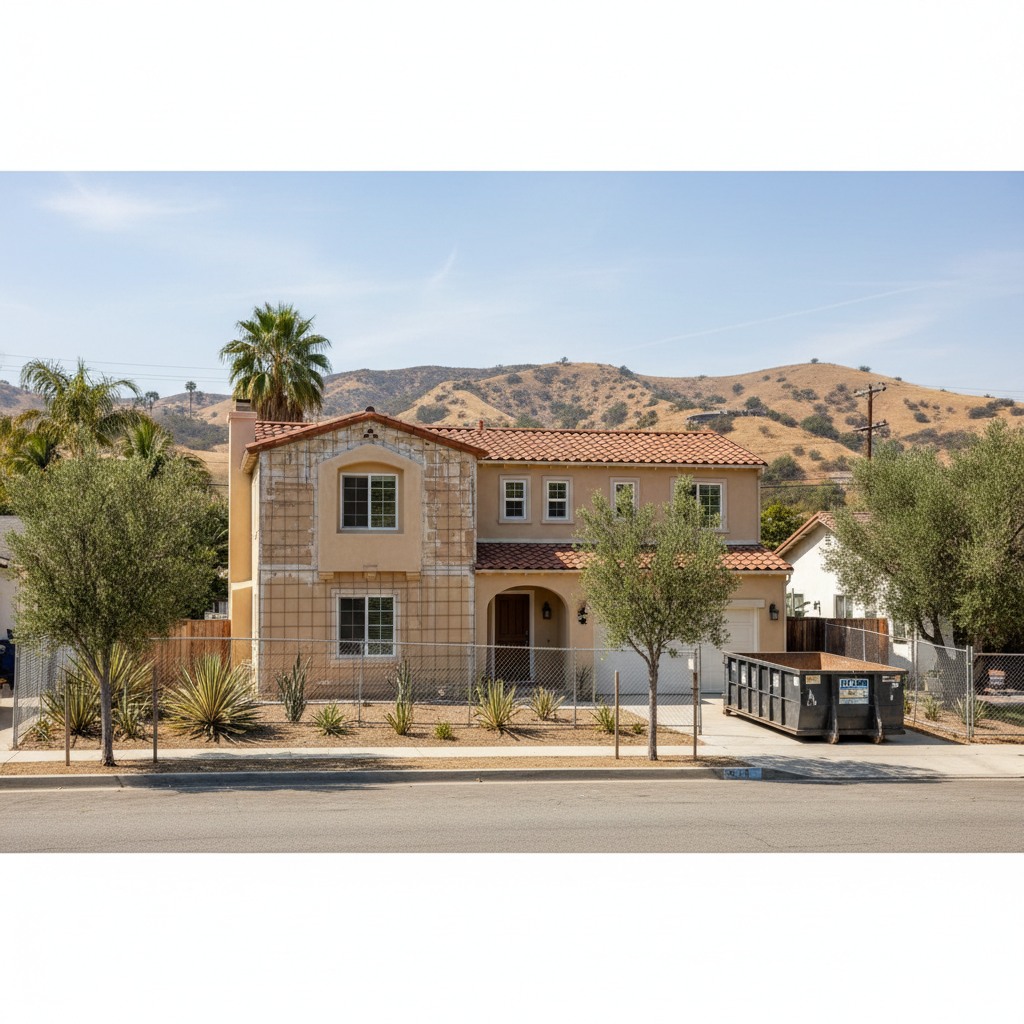
So, you're looking at your house, maybe a charming 1920s Spanish Revival in Los Feliz, or a mid-century modern out in the Valley, and you're thinking, 'This stucco has seen better days.' Or maybe you just bought a place and want to update the look entirely, exposing the original siding underneath. Whatever your reason, stucco removal in Los Angeles is a project that comes with its own set of considerations, and it's definitely not a one-size-fits-all kind of deal.
Why Take Off Stucco in the First Place?
People usually want to remove stucco for a few main reasons. Sometimes, the stucco itself is just shot – it's cracking, delaminating, or has been patched so many times it looks like a patchwork quilt. Other times, homeowners want to reveal what's underneath. Here in LA, it's pretty common to find beautiful redwood siding or even original brick that was covered up decades ago, often to 'modernize' a home or to deal with maintenance issues at the time. You might have a classic Craftsman bungalow in Pasadena that someone stuccoed over in the 70s, and you're itching to bring back its original character. That's a common scenario I see.
What's Under There? The Big Reveal
This is the million-dollar question, and it's where local expertise really matters. You see, what's under that stucco can vary wildly depending on when your house was built and where it's located. If it's an older home, say pre-1950s, you might find wood siding – shiplap, clapboard, or even redwood paneling. Sometimes it's in surprisingly good shape, other times it's seen better days and needs significant repair or even replacement. We've even uncovered original brick on some homes in areas like Hancock Park that were built with a brick veneer and later stuccoed over.
Then there's the lath. Modern stucco uses metal lath, but older homes often have wood lath, which is basically thin strips of wood nailed horizontally. And let's not forget the paper or felt barrier underneath. All of this needs to be carefully removed without damaging what's beneath it, if you plan on keeping it.
The Nitty-Gritty of the Removal Process
This isn't a job for a weekend warrior, especially if you care about the outcome. First off, it's messy. Really messy. Stucco dust gets everywhere, and you need proper containment to protect your landscaping, your neighbors' property, and the air quality. We're talking tarps, scaffolding, and sometimes even temporary fencing. Precision Stucco Los Angeles always makes sure we've got a plan for dust control and debris management. It's not just about getting the stucco off; it's about doing it cleanly and safely.
The actual removal involves chipping away the stucco, layer by layer. You can't just go at it with a sledgehammer if you want to preserve the underlying material. It takes a skilled hand to know how much pressure to apply, what tools to use, and how to avoid gouging the wood or brick beneath. If you're planning to re-stucco, the process is a bit different because you're not trying to save the substrate, but if you're revealing original siding, precision is key.
Local Challenges: LA's Unique Twist
Here in Los Angeles, we deal with a few specific things. For one, our older housing stock is incredibly diverse. You've got everything from Victorian homes in Angelino Heights to Craftsman bungalows in Silver Lake, Spanish Colonial Revivals all over, and mid-century gems in the hills. Each style often means different construction methods and materials underneath that stucco. You need someone who's seen it all and knows what to expect.
Another thing is our weather. While we don't get extreme cold, our intense sun and occasional heavy rains can affect the integrity of old stucco and whatever's beneath it. Water intrusion is a big concern if the stucco wasn't properly installed or has failed, and you might uncover rot or mold that needs remediation before any new finish can go on.
Also, permitting. Depending on the scope of work and if you're changing the exterior appearance significantly, you might need permits from the city. Especially if your home is in a historic preservation overlay zone (HPOZ), like parts of West Adams or Windsor Square, there are strict rules about what you can and can't do to the exterior. You'll want a contractor who understands these local regulations and can guide you through the process.
What Happens After the Stucco is Gone?
Once the stucco is off, that's usually just the beginning. If you've revealed wood siding, it'll likely need cleaning, sanding, repairs, and then a fresh coat of paint or stain. If it's brick, it might need tuckpointing or cleaning. Sometimes, the underlying material is too far gone, and you'll need to install new siding altogether, whether that's new stucco, wood, or another material. This is where the budget really comes into play, as the 'after' work can often be more extensive than the removal itself.
Choosing the right contractor for stucco removal in LA isn't just about finding someone with a hammer. It's about finding a team that understands the local architecture, the specific challenges of our climate, and how to treat your home with the respect it deserves. You want someone who can anticipate what you'll find and has the skills to handle whatever surprises pop up. It's a big investment, so make sure you're working with people who know what they're doing from start to finish.