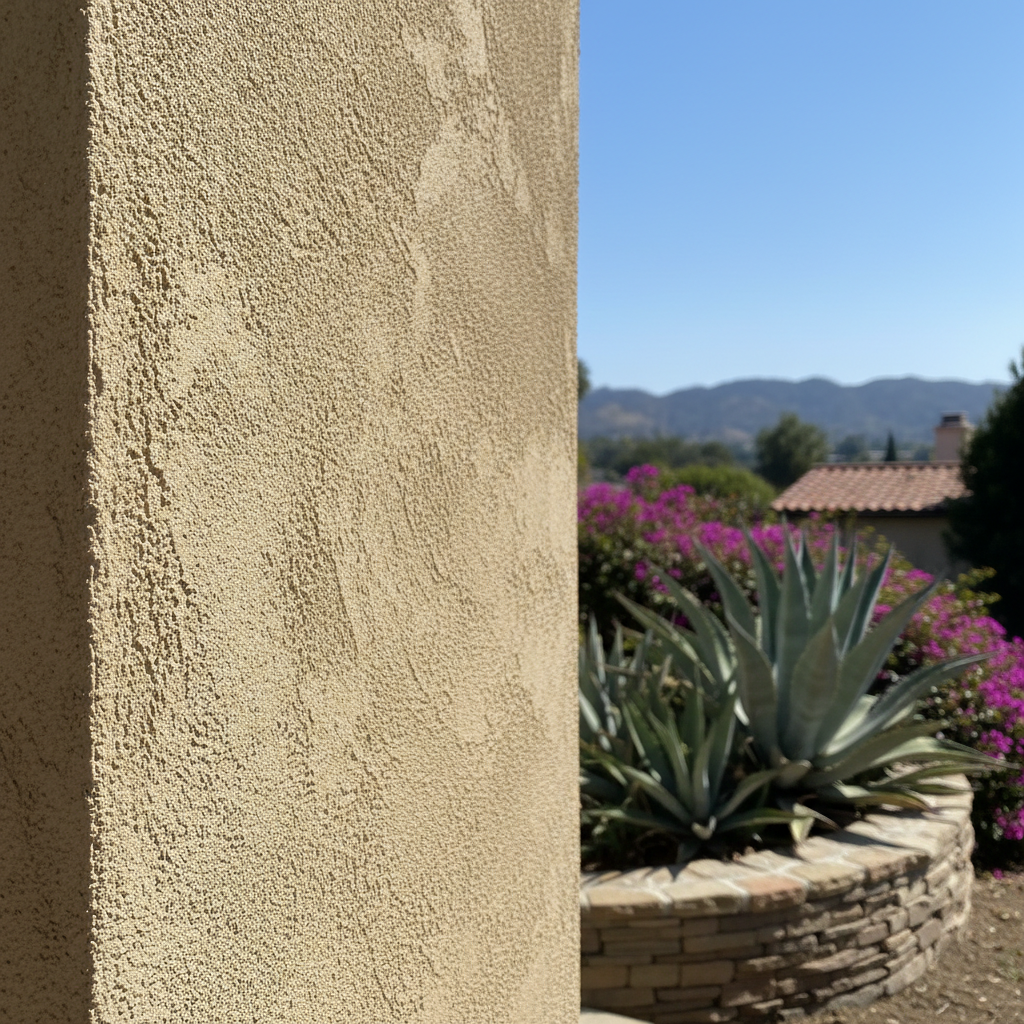
Okay, let's talk about stucco. If you own a home here in Los Angeles, chances are your exterior is covered in it. It's tough, it looks good, and honestly, it handles our Southern California sun pretty darn well. But "tough" doesn't mean "maintenance-free," and if you ignore small issues, they can quickly snowball into a real headache – and a costly one at that.
I've been in this business for a long time, and believe me, I've seen it all. From those grand homes in the Hollywood Hills to cozy bungalows right by the beach, stucco is everywhere. The good news? A lot of what you need to know to keep your stucco healthy, you can actually manage yourself. But there are definitely times when you absolutely need a pro. So, let's break it down.
Before the Project: Your DIY Stucco Check-Up
Think of this as your home's annual physical. You really should be giving your stucco a good visual inspection at least once a year. Maybe even twice if you're living near the coast, because that salt air can really do a number on things. Grab a notepad, your phone (for pictures, of course), and take a leisurely walk around your house. What exactly are you looking for?
- Cracks: This is the big one. Hairline cracks are pretty common and often just cosmetic, especially with all our LA temperature swings and the occasional earthquake. But if you spot cracks getting longer, wider, or branching out like little spiderwebs, that's a definite red flag. Pay extra close attention to cracks around windows, doors, and where the roof meets the wall.
- Stains and Discoloration: Brown, green, black, or rusty stains aren't just an eyesore; they usually mean water is sneaking in where it doesn't belong. Stains showing up below windows, under roof edges, or near exterior fixtures can point to flashing problems or leaky gutters. And those white, powdery deposits, called efflorescence? Yep, that also signals moisture moving right through your stucco.
- Soft Spots, Bulges, or Hollow Sounds: Stucco should feel solid. If you tap on it with your knuckles or a rubber mallet and it sounds hollow, or if you find areas that feel soft or are bulging out, that's a sign of delamination or trapped moisture. This means the stucco is actually separating from the wall, and water is likely sitting behind it, causing damage. Not good.
- Gaps Around Openings: Take a good look around all your windows, doors, and any penetrations like pipes or vents. If the sealant is cracked, missing, or pulling away, water's got an open invitation to come right in.
- Weep Screed: This is a metal piece found at the very bottom of your stucco wall, just above the foundation. Its whole purpose is to let any water that gets behind the stucco drain out. Make sure it's not buried by dirt, landscaping, or concrete. You need at least 4 inches of clearance above soil and 2 inches above paved surfaces. If it's blocked, water gets trapped, and that, my friend, is a recipe for disaster.
If you spot any of these issues, especially those soft spots, bulges, or persistent staining, it's definitely time to think about calling in a pro. Small cracks you might be able to seal yourself with some good quality caulk, but anything more than that, and you risk making things much worse if you don't know what you're doing. Remember, a lot of these problems start small, but they can quickly lead to mold, rot, and even structural damage if you just let them go.
During the Project: What a Pro Does (and Why It Matters to You)
So, you've found some issues and decided to call someone like Precision Stucco Los Angeles. What should you expect during a professional inspection?
- A Thorough Visual: We'll do everything you did, but with an experienced eye. We're trained to pick up on those subtle signs that homeowners often miss.
- Moisture Testing: This is where the real detective work kicks in. A good inspector will use a moisture meter. Sometimes this means drilling small, discreet holes into the stucco to get readings of the moisture content right behind the surface. Readings above 16-19% usually scream "active moisture intrusion" and need immediate attention. And we're not just poking around randomly; we're targeting vulnerable spots like around windows, doors, roof-to-wall intersections, and that weep screed.
- Understanding the 'Why': It's not just about finding the damage; it's about figuring out the source. Is it failed flashing? Poor drainage? Maybe even building movement? Knowing the cause is absolutely key to a repair that actually lasts.
- Repair vs. Replacement: We'll help you figure out if you just need a simple repair or a more extensive replacement (what we call remediation). Isolated cracks or minor damage can often be fixed. But if there's widespread moisture, significant underlying damage, or the stucco system was installed incorrectly from the start, a full replacement might actually be the smarter long-term investment. Repairing a failing system over and over can end up costing you more in the long run, you know?
The Los Angeles Department of Building and Safety (LADBS) also has specific inspection requirements for new stucco or re-stucco projects, so if you're doing a big job, your contractor will handle all those permit and inspection calls.
After the Project: Keeping Your Stucco Healthy
Once the pros from Precision Stucco Los Angeles have finished their work, it's not a "set it and forget it" kind of deal. Your regular check-ups are still super important.
- Keep an Eye Out: Continue those annual visual inspections. Catching new issues early is, hands down, the best way to prevent big, expensive problems down the line.
- Clean Gently: Don't blast your stucco with a high-pressure washer. Seriously, it can damage the finish and force water behind the surface. A garden hose with a spray nozzle and a soft brush is usually all you need for cleaning.
- Maintain Drainage: Make sure your gutters are clean and directing water well away from your foundation. Keep soil and landscaping at least 4 inches below your weep screed. This is especially crucial during our dry summers when people tend to overwater their landscaping, which can push moisture right up against your stucco.
- Re-seal When Needed: Sealants around windows and doors won't last forever. Check them every few years and reapply as necessary to keep that water out.
Taking care of your stucco is a marathon, not a sprint. A little vigilance and knowing when to call in the experts will save you a lot of grief and keep your LA home looking fantastic for years to come.