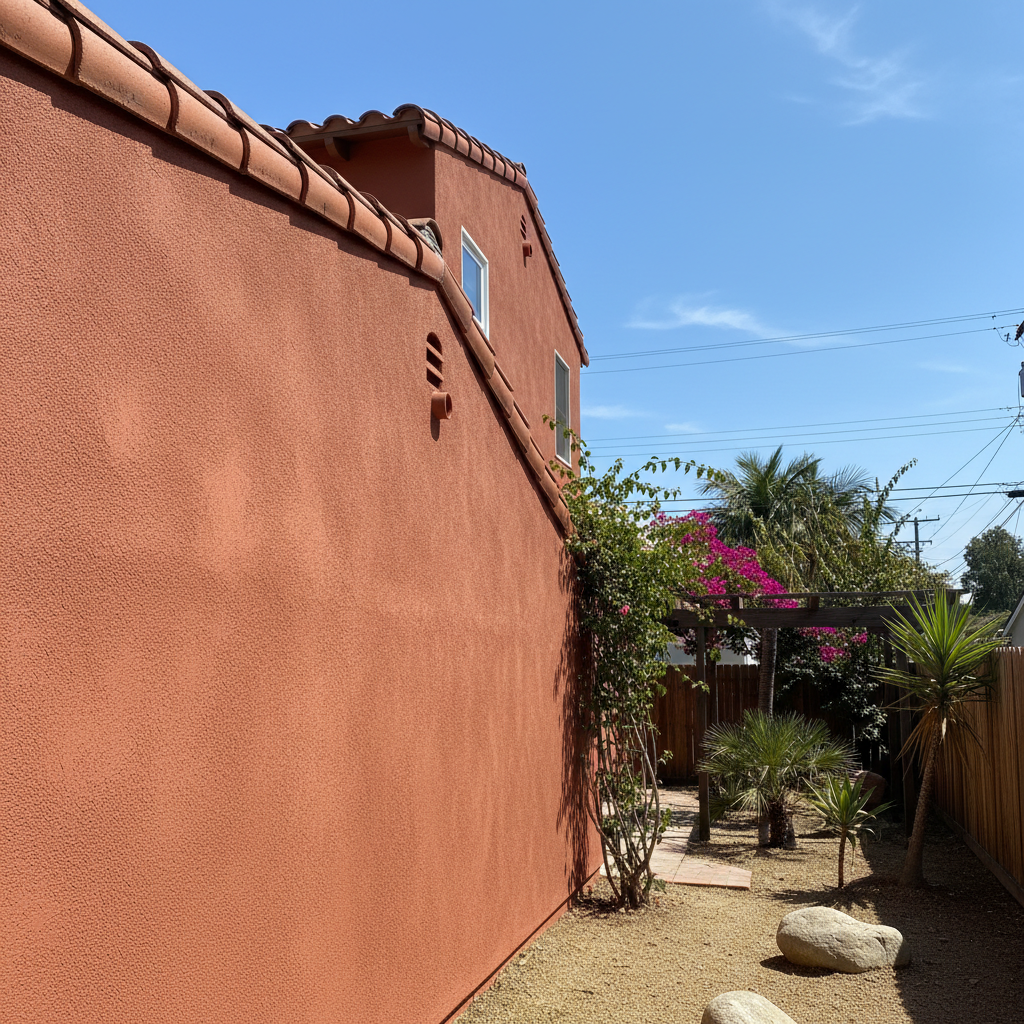
So, You Just Redashed Your Stucco? What's Next?
You put money into redashing your stucco, and maybe you even had Precision Stucco Los Angeles handle the job. Smart move! That fresh coat looks fantastic, doesn't it? But here’s the scoop: redashing isn't a "do it once and forget about it" kind of thing, especially not here in Los Angeles. Our climate, with its blazing sun, occasional heavy downpours, and even those dusty Santa Ana winds, can really beat up exterior finishes. You want that new look to stick around, and with just a little regular care, it totally will.
Think of it this way: your car needs oil changes, your garden needs water. Your stucco, even after a fresh redash, needs some attention to stay in tip-top shape. We're not talking about constant work, but rather smart, steady upkeep that stops small problems from blowing up into huge, expensive headaches later on.
Making Your Redashed Stucco Last Longer
The single best thing you can do to make your redashed stucco last is to keep it clean and dry. Sounds too simple, right? But it's super important. Dust, dirt, and pollution build up, and when they mix with moisture, they can become a perfect breeding ground for mildew or algae. This is especially true on north-facing walls that don't get much sun. Cleaning it regularly is your first line of defense.
Also, take a look at your landscaping. Bushes and trees that are too close to the wall can trap moisture and rub against the stucco, causing wear and tear. Keep them trimmed back; give your walls some breathing room. And please, make sure your sprinklers aren't constantly soaking the stucco. That endless cycle of getting wet and then drying out can be brutal on any exterior finish, believe me.
Regular Maintenance: What You Should Be Doing
For most homeowners, keeping stucco in good shape really comes down to a few basic tasks:
- Check it Annually: Walk around your house once a year, maybe in the spring after the winter rains have passed. Look closely at all your stucco surfaces. Do you see any cracks? Any weird discoloration? Any spots that look damp or feel soft? Pay extra close attention around windows, doors, and rooflines – those are often where water sneaks in.
- Clean Gently: If you spot dirt or mildew, a soft brush and a mild detergent solution (like plain old dish soap and water) can work wonders. For tougher spots, a low-pressure power washer can help, but you've got to be careful. Too much pressure can damage the stucco finish, especially if it's a softer, more decorative texture. I'm talking about a gentle rinse, not blasting it like you're stripping paint, okay?
- Check Your Drainage: Make sure your gutters and downspouts are clean and sending water away from your foundation and stucco walls. Clogged gutters are a huge reason for water damage.
- Seal Around Openings: Check the caulk around your windows, doors, and any spots where things like pipes or vents poke through. If it's cracked, peeling, or missing, put down a good quality exterior sealant. This is a cheap, easy way to stop water from getting behind your stucco.
These aren't huge, time-consuming jobs, but they make a massive difference in how long your redashed stucco looks great and does its job.
Warning Signs of Stucco Trouble
So, you're doing your annual walk-around, or maybe you just notice something seems off. Here are the red flags that tell you something might be wrong:
- Cracks: Hairline cracks are pretty common and usually not a big deal, especially with our LA soil shifting a bit. But if you see cracks wider than a credit card, or if they're in a spiderweb pattern, or if they're really long and straight, that points to a more serious problem.
- Stains or Discoloration: Dark streaks, especially under windows or along the foundation, often mean water is getting in or there's constant moisture. Green or black patches usually mean mildew or algae.
- Bulges or Soft Spots: If you press on the stucco and it feels soft, spongy, or you see a bulge, that's a serious issue. It means water has gotten behind the stucco and is probably damaging the stuff underneath.
- Peeling Paint or Finish: While not as common on a true stucco finish, if you have painted stucco and the paint is peeling, it could mean moisture is trying to escape.
- Efflorescence: That white, powdery stuff on the surface? That's efflorescence, mineral salts left behind when water evaporates from inside the stucco. It definitely means moisture is present.
Don't just ignore these. A small crack today can turn into a major water damage repair tomorrow.
When to Call a Professional
Look, I'm a contractor, so I'm going to tell you to call a professional when you need one. But honestly, it's about protecting your home. You should absolutely call someone like us at Precision Stucco Los Angeles if:
- You see any of those serious warning signs like wide cracks, bulges, or persistent soft spots. These aren't DIY fixes, plain and simple.
- You think water is getting behind the stucco. Water intrusion can cause rot, mold, and structural damage, and you need to deal with it quickly and correctly.
- You're not sure what's causing a problem or how to fix it. It's always better to get an expert opinion than to try a repair that makes things worse.
- You need a bigger repair or a re-sealant job around lots of openings.
A professional stucco contractor can properly figure out the issue, suggest the right repair, and make sure it's done to last. We've seen it all, from small cosmetic fixes to huge structural repairs caused by neglected stucco. Taking care of your redashed stucco isn't just about how your house looks; it's about protecting your biggest investment. A little proactive maintenance really goes a long way here in Southern California.