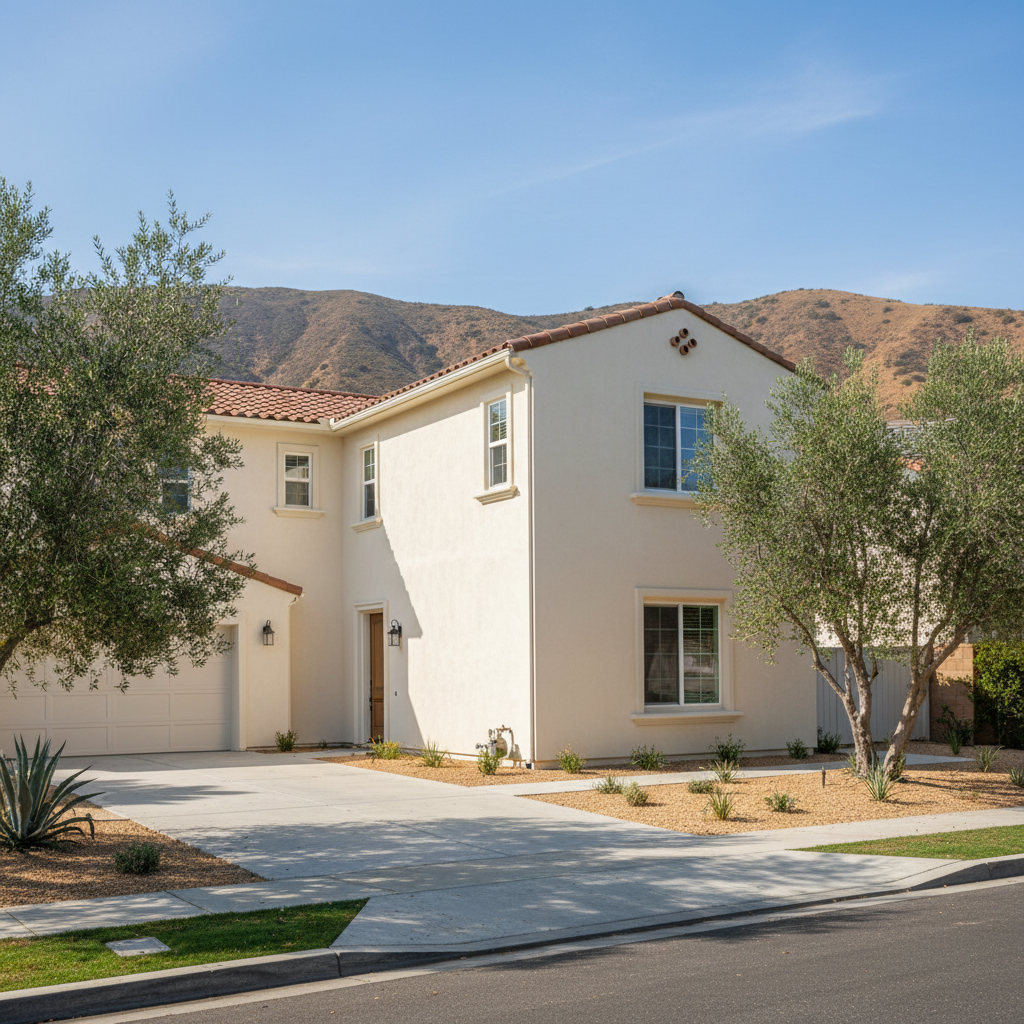
So, you're looking into commercial stucco for your building here in Los Angeles, and you're wondering about the cost. Smart move. Unlike residential jobs, commercial projects often come with different complexities and scale, meaning the pricing structure can really shift. I've seen a ton of commercial stucco jobs over the years – everything from small retail fronts in Silver Lake to sprawling industrial complexes out in the Valley – and I can tell you there's no single price tag. But I can definitely give you some solid numbers and point out what you need to keep an eye on.
What Makes Commercial Stucco Prices Go Up or Down?
A few big factors really push the cost one way or the other. Understanding these will help you make sense of any quote you get, trust me.
- Building Size and How Complicated It Is: This one's pretty obvious, right? A huge warehouse needs way more material and labor than a small office building. But it's not just about square footage. If your building has intricate architectural details, multiple levels, or unusual shapes, that'll mean more labor time and more material waste. That drives up the cost per square foot. Lots of corners, archways, or decorative bands? Expect to pay a bit more.
- The Type of Stucco System: Are we talking traditional three-coat stucco, one-coat, or an EIFS (Exterior Insulation and Finish System)? Each comes with its own material and labor costs. Traditional three-coat is usually what you see most often, and it's generally a good mid-range choice. EIFS can cost more upfront, but it offers better insulation, which could save you money on energy bills in the long run – especially with our scorching LA summers.
- Material Quality: Just like with anything else, stucco materials come in different grades. Higher quality acrylic finishes, special additives for crack resistance, or custom colors will definitely add to the material cost. Don't cheap out too much here; good materials mean a finish that lasts longer and fewer headaches down the road.
- Accessibility & Scaffolding: How easy is it for my crew to actually get to all parts of your building? If we need a lot of scaffolding, lifts, or specialized gear to reach high walls or tight spots, that's going to add to the labor and equipment rental costs. Parking restrictions, say, in downtown LA, can also complicate things, requiring special permits or work done after hours. That affects labor rates, too.
- Surface Preparation: Is the existing surface in good shape, or does it need a ton of prep work? Removing old siding, fixing existing damage, or extensive cleaning can add significant time and money. Sometimes we even find hidden issues once we start, like water damage or structural problems, that absolutely need to be handled before the stucco can go on correctly.
- Permits and Inspections: Commercial projects almost always require permits from the city, and those come with fees. Inspections are also part of the process, making sure everything meets code. Your contractor should handle this, but usually, those costs get passed on to you.
Typical Cost Ranges for Commercial Stucco in LA
Alright, let's get down to brass tacks. For commercial stucco in Los Angeles, you're generally looking at a range of about $8 to $18 per square foot for new installations or a full re-stuccoing. That's a pretty broad range, I know, but it's because of all those factors I just mentioned. For a simpler, straightforward commercial building with easy access, you might be closer to that $8-$12 mark. For a more complex project – maybe a multi-story building with intricate details and difficult access – you could easily hit $15-$18 per square foot, or even a bit higher for specialized systems or finishes.
Just remember, this is for the stucco application itself. If you need extensive demolition, structural repairs, or specialized finishes, those will be additional costs.What Should a Commercial Stucco Quote Include?
When you get a quote, make sure it's detailed. A good quote from Precision Stucco Los Angeles, or any reputable contractor for that matter, should clearly spell out:
- Scope of Work: Exactly what areas will get stucco, what type of system will be used (e.g., three-coat cement stucco with acrylic finish), and any specific finishes or textures.
- Materials: A breakdown of the materials, including brand names if they apply, and the number of coats.
- Labor: The estimated labor hours or a lump sum for the labor.
- Surface Preparation: What's included, things like cleaning, patching, or taking off old materials.
- Scaffolding/Equipment: Any costs tied to access equipment.
- Permits and Fees: An estimate or exact cost for necessary permits.
- Cleanup: What kind of site cleanup is included once the job is done.
- Warranty: Details on the warranty for both materials and the actual workmanship.
- Payment Schedule: How payments will be structured throughout the project.
If a quote is just one single number, honestly, walk away. You really need to know what you're paying for.
How to Avoid Overpaying for Commercial Stucco
Nobody wants to throw money away, especially on a big commercial project. Here's how you can protect your budget:
- Get Multiple Bids: This is absolutely crucial. Don't just go with the first contractor you talk to. Get at least three detailed quotes. This helps you compare apples to apples and really understand the market rate.
- Check References and Licenses: Always, always, always verify a contractor's license (CSLB) and check their references. Ask to see examples of their commercial work. A cheap bid from an unlicensed contractor is a huge risk, you know?
- Be Clear About Your Expectations: The more detailed you are about what you want, the more accurate the quote will be. Provide blueprints, photos, or specific instructions. Surprises during the project often lead to change orders and higher costs.
- Understand the Contract: Read every single line of the contract before you sign. Make sure everything you discussed is in writing. Don't hesitate to ask questions about anything you don't understand.
- Don't Automatically Go for the Lowest Bid: The cheapest option isn't always the best. A significantly lower bid might mean they're cutting corners on materials, labor, or even insurance. You want quality work that lasts, not a headache a year down the line.
- Consider Value, Not Just Price: Think about the long-term benefits. A slightly higher upfront cost for a more durable system or better insulation could save you a lot in maintenance and energy costs over the life of your building.
Commercial stucco is a significant investment for your business, but when it's done right, it provides excellent protection and a professional appearance that can last for decades. Do your homework, ask the right questions, and choose a contractor you trust. It'll pay off.